Learn a new language with the Active Immersion Method

Expert Guidance for Language Learners

The Polyglot Method: Learn English Smarter, Not Harder

One hour a week. Real progress.

If you are busy, you may think one lesson per week is not enough. But maybe the problem is not the time—it is the method.

I studied how successful language learners (polyglots) learn languages. Then I created a simple system based on their strategies.

My goal is not only to teach you English. I teach you how to learn, so you can improve every day.

Here is how it works


qzayxyf7tq2fip6mj7ew5q@2k

We focus on what you need

In our lessons, we don’t just practice English. We find your problems and fix them. Maybe grammar is difficult, maybe pronunciation is hard, maybe your sentences are not clear. What this means for you: We work on your weak points step by step. You always know what to practice after the lesson.
uqxp8vmvtdwzeelgz 65jq@2k

2. You Listen and Speak

To be fluent, you need both listening and speaking. What this means for you: First, we read or listen to a short text then, you explain it in your own words. This helps you understand and speak more naturally.
17tmxtlkqiehj0f icnvlq@2k

3. You Learn How to Study Alone

The lesson is important, but your practice during the week is very important too. What this means for you: After each lesson, you get simple homework: Read or listen to a short text, practice speaking with audio (shadowing) and translate a few sentences. These tasks take only 15–30 minutes a day.

rwh5toozrkgqo5zke6qwdg@2k

4. Your Lessons Are Personal

Every student is different. Your lessons are made for you.

What this means for you:

  • If you like stories, we use stories
  • If you need English for work, we focus on that
  • If you like listening, we use audio

Your lessons change as you improve.

niezljft8 s11y14zkl9g@2k

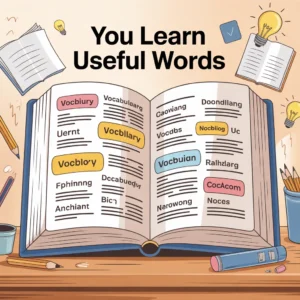
5. You Learn Useful Words

You don’t learn long word lists. You learn words in real situations.

What this means for you:
You learn vocabulary from texts, conversations, and examples. Then you use the new words in your own sentences.

0001 2 a clean educational illustration showing tyw1mrsjrym73 66ezbh7w tqy5p9hxswibtnml7rwcbq

6. You Improve Your Pronunciation

Good pronunciation is not only about sounds. It is also about rhythm and flow.

What this means for you:
We use a technique called shadowing:

  • You listen to a short audio
  • You speak at the same time

This helps you sound more natural and confident.

0001 2 a minimalist illustration of a person st lnwztdjuttktvhuejc5fog df3jgd7htoskinshy9pmtw

7. You Always Know What to Do Next

Each lesson ends with a clear plan.

What this means for you:

  • We review what you learned
  • We set a small goal for the week

You always know your next step.

TimeActivityWhy
0–10 minReviewCheck your progress and questions
10–25 minFocus WorkFix your main problem
25–40 minReading/ListeningUnderstand real English
40–50 minSpeakingPractice speaking
50–60 minPronunciationImprove rhythm and fluency
Last 2 minPlanSet your goal for the week
Get Started

Join my community of English learners

or call at:

+351 93 790 3508

Scroll to Top