

Lessons Built Around Your Child — Not a Fixed Programme
I’m Keren Hering. I’ve been teaching English for 25 years, and I teach students aged 8 to 18 online from Coimbra, Portugal. I believe students learn best when lessons are clear, active and connected to what they actually need — school, exams, or simply speaking without freezing up. So I don’t run everyone through the same course. I find out where a student is, then build from there.
What Happens in My Lessons
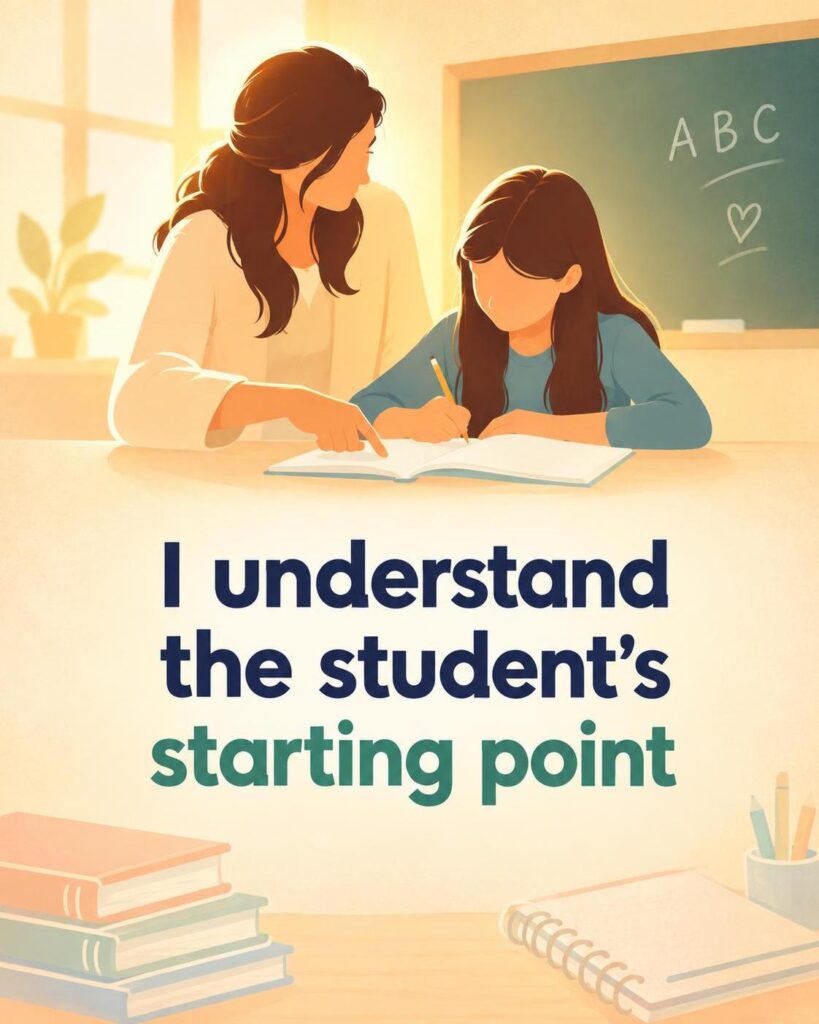
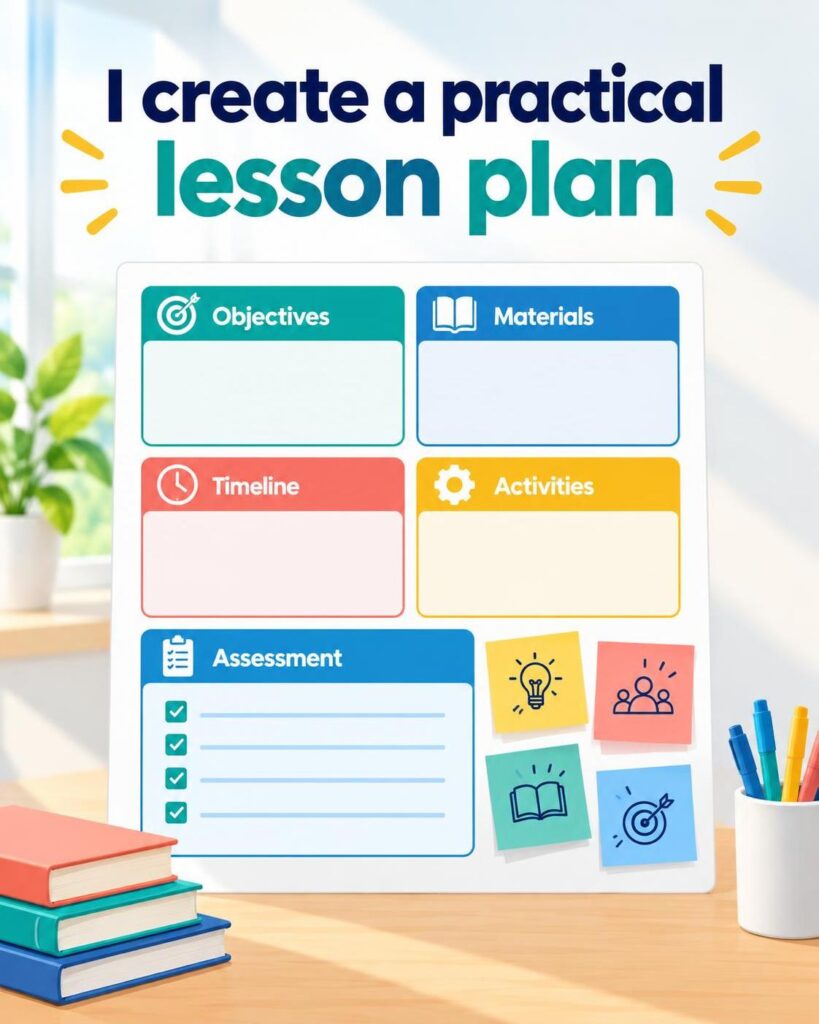
I don’t use one fixed programme. Every student starts with a friendly chat and a short assessment, so I can see their level, goals and difficulties. Then I build lessons around them — the topics, pace and homework all change depending on the student.
In my lessons, students use English. We talk, read, role-play, write and work on pronunciation. Younger learners get short, varied activities, stories and games with a clear purpose. Teenagers get relevant topics, school support and exam preparation — never material that feels childish.
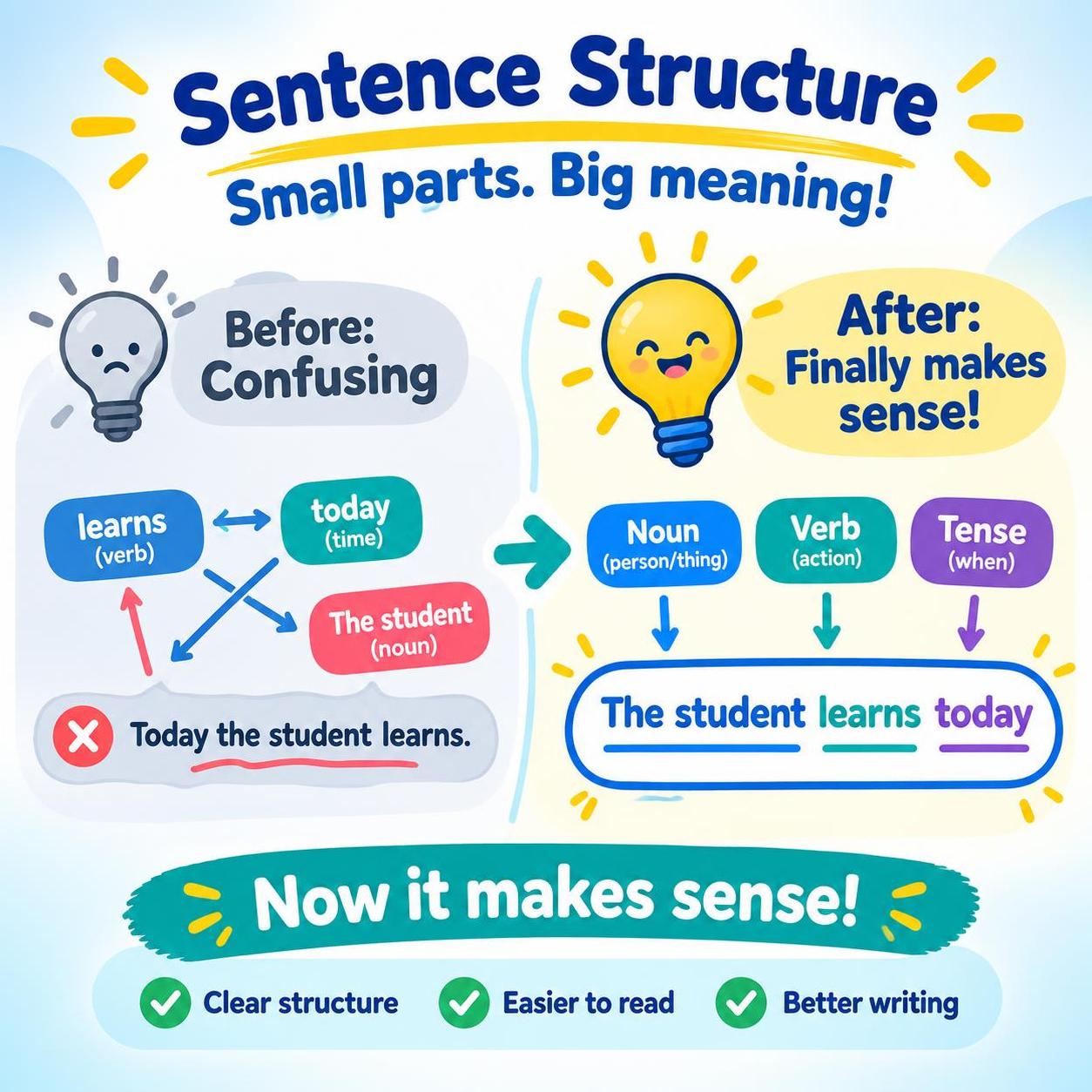
Grammar is explained clearly, in situations where it’s actually needed. Mistakes are normal here; students who feel safe speaking make faster progress.
We review regularly and adjust the plan, and I give parents clear feedback when it’s useful.
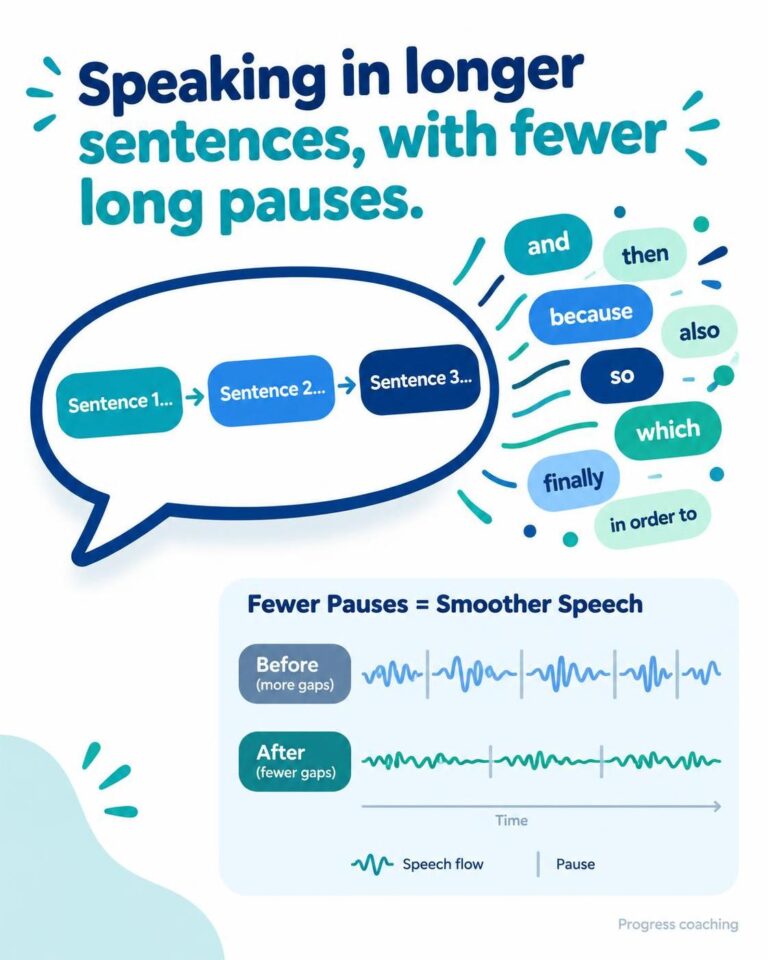
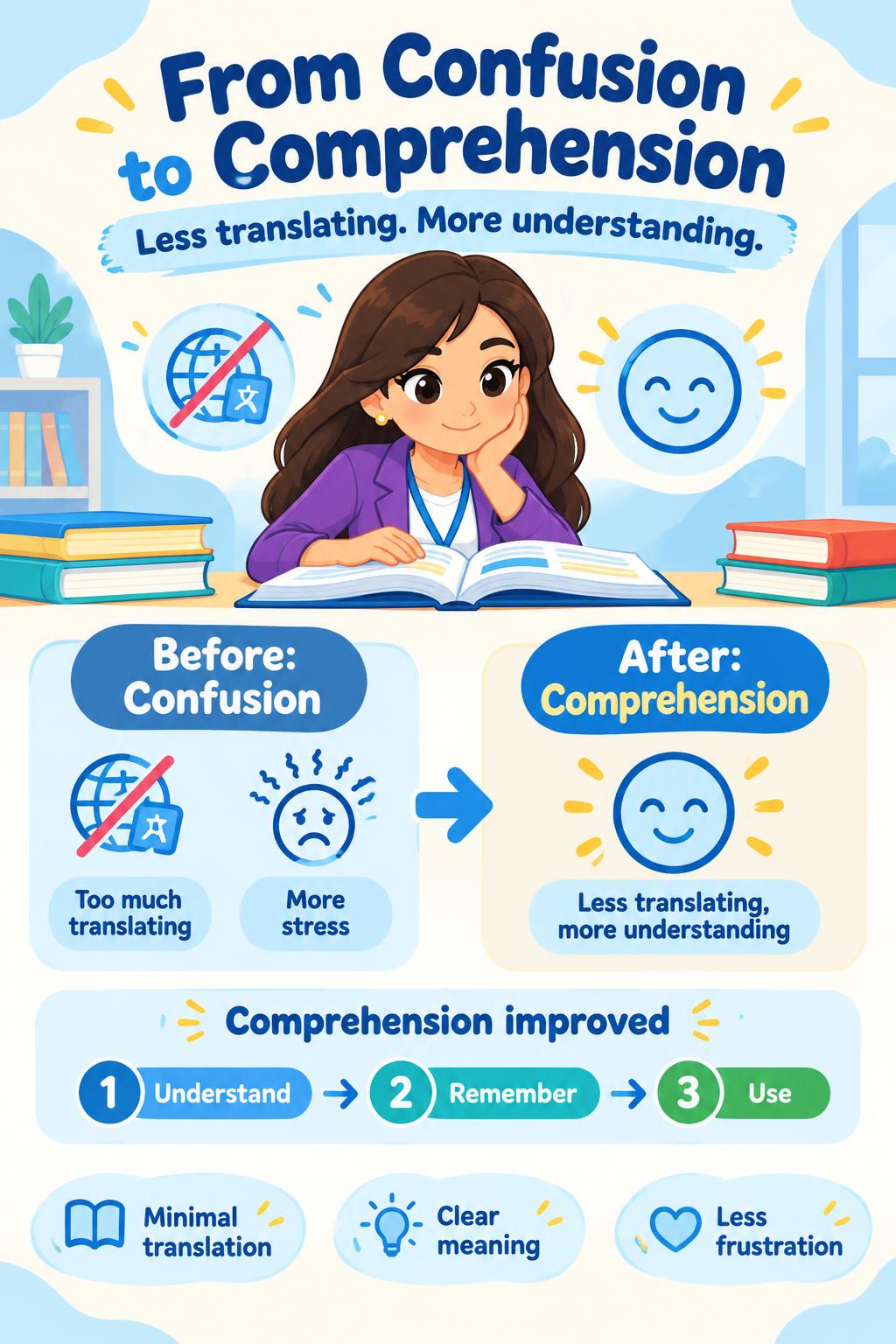
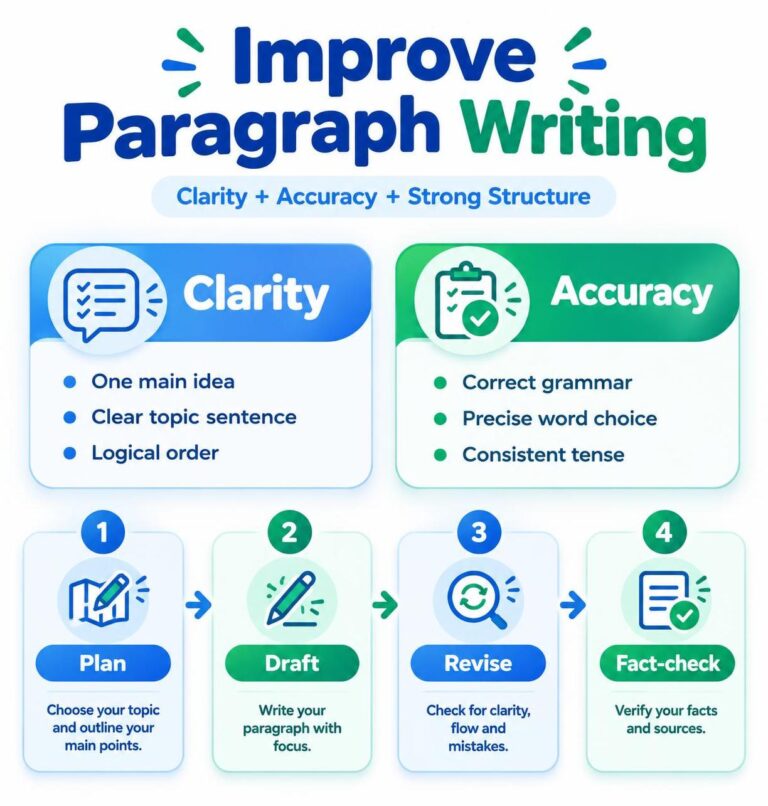
What we work towards: speaking with more confidence, understanding grammar that was confusing, reading school texts more easily, writing more accurately, and feeling prepared for tests.
Different Ages Need Different Lessons

For younger learners (8–12)
Children lose focus when a lesson drags. So we move between short activities: a story, a game with a real language goal, a speaking task, a bit of writing. We repeat key words often, in different situations, so they stick. I praise effort, not just correct answers — confidence comes first, accuracy follows.

For teenagers (13–18)
Teenagers can tell when material is babyish, and they switch off. We work with topics they care about and tasks they'll actually use: school texts and assignments, exam practice, writing clearly, speaking in real situations. I explain grammar properly, with examples, and I treat them as capable people who can take responsibility for their own progress.
Grammar, Vocabulary and Mistakes
I teach grammar through situations where it's needed, then explain the rule clearly and practically. Vocabulary is chosen because the student will use it — at school, online, in conversation. Mistakes are part of the process. Students who feel safe making them speak more — and improve faster. I correct in a way that keeps the student talking, and I'll explain something three different ways if the first two don't land.
What Progress Can Look Like
Tell Me What's Hard in English — I'll Show You How We'd Fix It
Every student starts with a friendly conversation, so I understand their level, their goals and what’s getting in the way — before we plan a single lesson.